





The Power of Color and Atmosphere
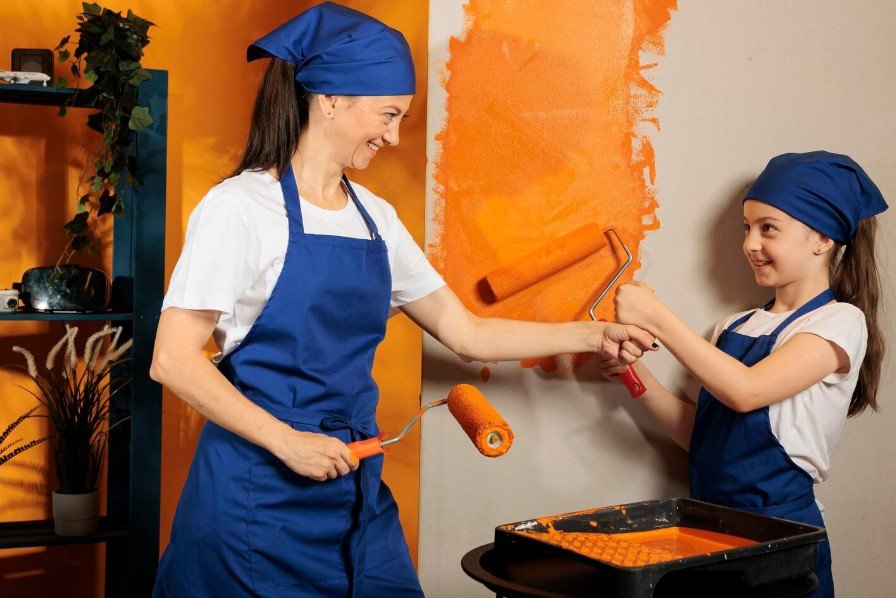
Painting has a unique ability to transform any space by adding color, texture, and personality. The choice of colors can influence moods, creating a calming environment or energizing a room. Warm tones can make a space feel cozy, while cool tones can provide a sense of serenity. Even simple brush strokes can bring life to a blank wall, turning it into a focal point that draws attention and sparks conversation. Art in a home or office is more than decoration; it can shape how people feel and interact within a space.
Stimulating Creativity and Imagination
Engaging with painting encourages creative thinking and imagination. Viewing a well-crafted artwork can inspire new ideas, challenge perspectives, and encourage problem-solving in innovative ways. For artists, the process of painting allows self-expression and exploration of concepts that words cannot capture. Whether it is abstract forms, realistic portraits, or landscapes, each piece invites interpretation and personal reflection, fostering a connection between the viewer and the artist’s vision.
Emotional and Mental Benefits
Painting is known to have significant emotional benefits. Studies have shown that creating or even observing artwork can reduce stress and promote relaxation. For many people, painting acts as a therapeutic tool, helping them process emotions and experiences. The mindful attention required when working on a canvas encourages focus and presence, which can improve mental well-being. Additionally, being surrounded by art in daily life can boost positivity, inspire hope, and create a sense of accomplishment and satisfaction.
Cultural and Historical Significance
Throughout history, painting has been a powerful medium for storytelling and cultural expression. From cave murals to Renaissance masterpieces, artists have documented human experiences, beliefs, and traditions. Each painting carries a story, allowing future generations to learn about past societies, historical events, and shared values. Museums, galleries, and public art spaces continue to preserve and celebrate these works, highlighting the enduring influence of painting in shaping collective memory and identity.
Encouraging Personal Growth
Practicing painting can lead to personal growth and self-discovery. Learning techniques, experimenting with materials, and developing a personal style build confidence and patience. The creative process teaches resilience as artists navigate challenges, mistakes, and breakthroughs. Over time, the dedication to refining skills enhances not only artistic ability but also problem-solving skills and discipline, which can positively impact other areas of life.
Creating Connections and Community
Painting also fosters social connections and community engagement. Art classes, exhibitions, and collaborative projects bring people together, providing opportunities for sharing ideas and inspiration. Public art initiatives transform neighborhoods, encouraging pride and interaction among residents. Engaging with painting in a social context creates bonds, strengthens communities, and highlights the universal appeal of creativity across cultures and backgrounds.
Conclusion
Painting is much more than a decorative pursuit; it transforms spaces, stimulates creativity, and nurtures emotional and mental well-being. Its cultural significance, ability to inspire personal growth, and potential to bring people together demonstrate the profound impact of this art form. Whether practiced as a hobby or appreciated as a visual experience, painting enriches lives by adding depth, beauty, and meaning to everyday environments.