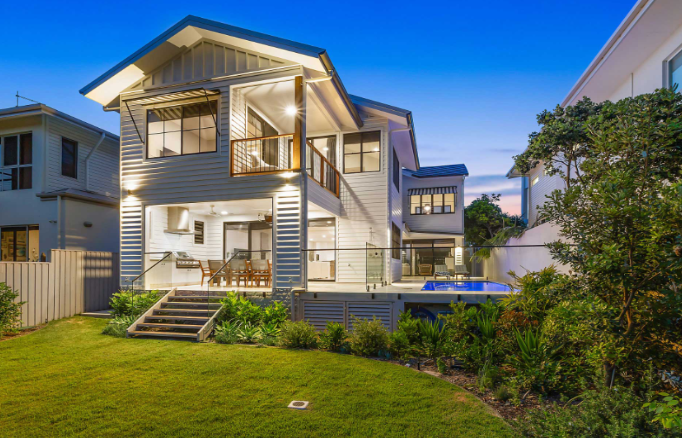



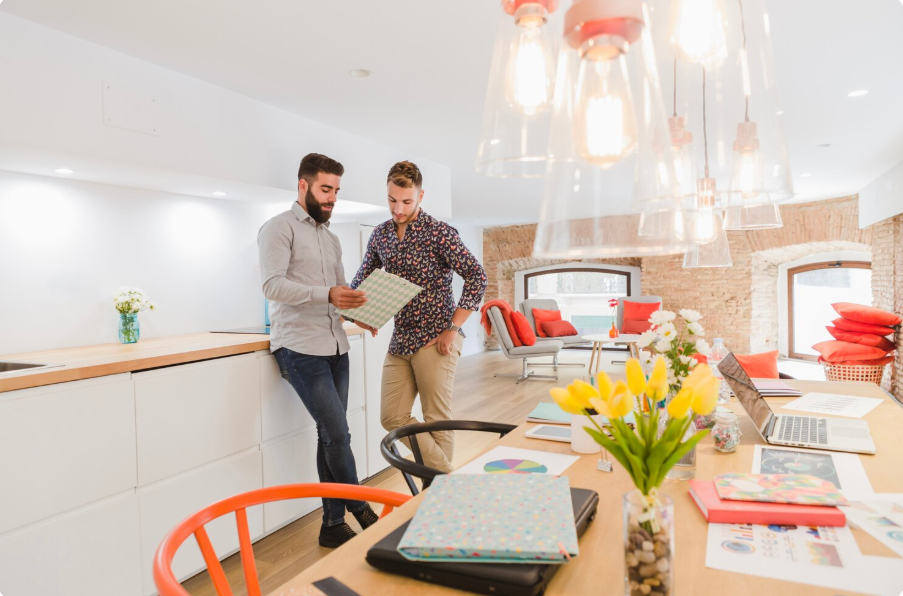
Home renovation trends shift every year, shaped by changing lifestyles, technology, and growing awareness of sustainability. In 2026, homeowners across India are leaning into designs and upgrades that balance aesthetics with efficiency and long-term practicality. Here’s a look at the trends shaping renovations this year — and why some of the most impactful changes are happening out of sight.
Energy Efficiency Takes Center Stage
Rising electricity costs and growing environmental awareness have pushed energy efficiency to the top of most renovation checklists. LED lighting, energy-rated appliances, and improved insulation are now standard requests rather than premium add-ons. Homeowners are also scrutinizing the efficiency of less visible systems, including water pumps, HVAC units, and water heaters, recognizing that these appliances often account for a significant share of household energy use.
Smart Home Automation Goes Mainstream
Smart thermostats, app-controlled lighting, and voice-activated security systems have moved from novelty to near-standard in mid-to-upper-range renovations. What’s newer in 2026 is the extension of automation into water management — smart pump controllers and pressure sensors that let homeowners monitor water usage, detect leaks early, and automate pump operation based on demand, all from a smartphone app.
Biophilic Design and Indoor Greenery
Bringing nature indoors continues to gain momentum, with homeowners incorporating living walls, larger windows for natural light, and dedicated spaces for indoor plants. This trend ties closely to wellness-focused design, where homes are planned around light, air quality, and a sense of calm.
Water Management and Sustainability
Perhaps the most significant — if underappreciated — trend of 2026 is the growing focus on water management. With increasing awareness of water scarcity in many Indian cities, homeowners are investing in rainwater harvesting systems, borewell integration, and efficient pumping solutions that reduce waste and ensure consistent supply regardless of municipal reliability.
This shift reflects a broader recognition that water infrastructure isn’t just a utility concern — it’s a design consideration. Modern water pumps are quieter, more energy-efficient, and increasingly equipped with smart features like automatic pressure regulation and dry-run protection, which prevents damage when water levels run low. For homeowners renovating older properties, replacing an aging pump with a modern, efficient model is one of the highest-impact upgrades available, both for daily comfort and for reducing electricity consumption.
Multi-Functional Spaces
As remote and hybrid work remain common, homeowners are converting spare rooms, balconies, and even under-stair spaces into functional home offices or flexible-use areas. This trend prioritizes adaptability over dedicated single-purpose rooms.
Low-Flow and Water-Efficient Fixtures
Alongside pump upgrades, low-flow faucets, dual-flush toilets, and water-efficient showerheads are becoming standard in renovations focused on sustainability. Combined with an efficient pumping system, these fixtures significantly reduce a household’s overall water and energy consumption without sacrificing performance.
Solar Integration
Solar panels are increasingly paired with solar-compatible water pumps, allowing homeowners to run their water supply systems partially or fully on renewable energy. This combination is particularly popular in homes with borewells or overhead tank systems, where pump operation is a significant contributor to electricity bills.
Durable, Low-Maintenance Materials
Homeowners are prioritizing materials and equipment that require minimal upkeep — vitrified tiles over natural stone, composite decking over wood, and branded, warrantied appliances over unbranded alternatives. This preference for durability extends naturally to water pumps and plumbing components, where reliability translates directly into fewer service calls and lower long-term costs.
Wellness-Focused Bathrooms
Bathrooms in 2026 are increasingly designed as wellness spaces, with features like rain showerheads, heated flooring, and ambient lighting. These upgrades depend on consistent water pressure to function well, reinforcing why a capable pumping system underpins many of the design trends homeowners are chasing this year. For homeowners adding a new bathroom or renovating a space where conventional drainage is difficult, the Saniaccess 2 offers a practical solution by enabling efficient wastewater removal without extensive structural changes.
Personalized, Modular Spaces
Rather than rigid room definitions, 2026 renovations increasingly favor modular layouts that can be reconfigured as needs change — a home office that converts to a guest room, or a nursery designed to grow into a study. This flexibility is particularly valued by younger homeowners planning for life changes without committing to another major renovation.
Final Thoughts
The renovation trends of 2026 reflect a broader shift toward homes that are efficient, adaptable, and built to last — not just visually appealing. While kitchens, lighting, and smart automation get much of the attention, water management is quietly becoming one of the most important considerations for homeowners planning upgrades this year.
If you’re renovating and want a water supply system that matches these efficiency-focused trends, SFA India offers a range of modern, energy-efficient pumps designed for consistent performance and lower running costs. Explore the full range at SFA India and bring your home’s water infrastructure up to 2026 standards.