


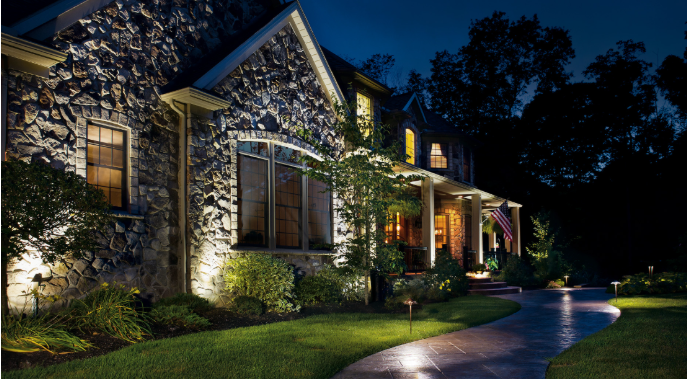
Most people spend months choosing interior furniture, agonising over paint swatches, and debating kitchen worktops — then rush through the outdoor space in a weekend with some potted plants and a pressure washer. It shows. And the frustrating part is that the exterior is what everyone sees first. This is precisely where an outdoor design companyearns its place — not as a luxury, but as the missing piece that pulls everything together.
First Impressions Matter
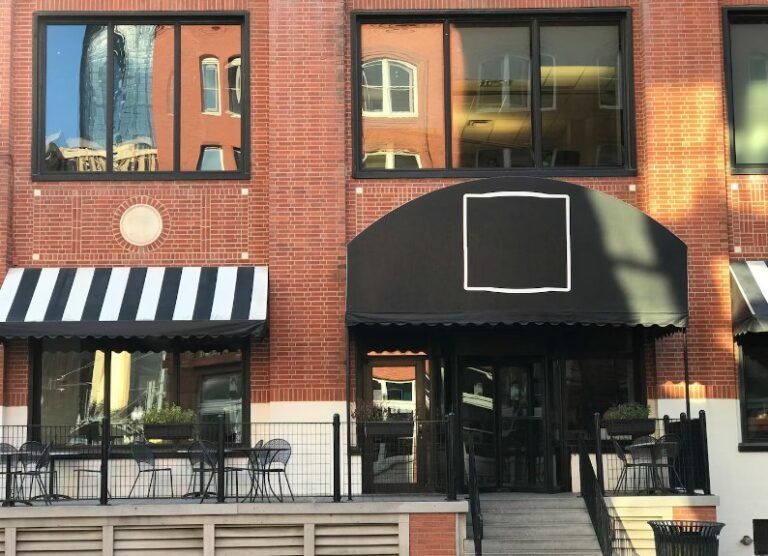
There is a particular kind of disappointment that comes from walking up to a beautiful building with a neglected forecourt. The mismatch is jarring. What many property owners miss is that outdoor spaces do not just frame a building — they actively shape how people feel before they even step inside. Designers who specialise in exterior environments understand spatial psychology in ways that a general contractor simply does not. The angle of a pathway, the placement of a focal plant, the transition between materials — these are deliberate decisions that quietly influence mood and perception.
Tailored to Your Vision
There is a particular problem with “standard” landscaping packages. They are designed to offend nobody, which means they genuinely delight nobody either. A property nestled in a rural setting demands an entirely different language of materials and planting than a contemporary urban courtyard — yet both often end up with the same beige block paving and three ornamental grasses. Professional outdoor designers resist this. They read the architecture, the light, the soil, the client’s actual lifestyle — then design something that could not be lifted and dropped onto a different property without looking completely wrong. That specificity is what separates a memorable outdoor space from a forgettable one.
Seasonal Beauty All Year Round
Outdoor spaces that only work in July are a design failure, not a seasonal reality. A professional outdoor design company plans for succession – meaning something is always happening in the garden at every point of the year. Structural plants carry the winter. Bulbs interrupt the bleakness of early spring before most people even think to look. Autumn colour is planned, not accidental. This is not complicated horticulture; it is sequencing, and it requires foresight that most one-off landscaping jobs simply skip. The difference between a garden that feels alive in February and one that looks abandoned is almost always down to whether this thinking happened at the design stage.
Sustainable and Low-Maintenance Solutions
The assumption that a well-designed garden must be high maintenance is one of the most persistent myths in landscaping. In reality, most maintenance-heavy gardens are that way because of poor plant selection and bad soil preparation — problems that originate in the design phase, not after. A skilled outdoor design company front-loads the intelligence. Drought-tolerant planting suited to the actual microclimate of the site, permeable surfaces that manage water rather than fighting it, ground cover that suppresses weeds without needing weekly attention — these decisions, made early, save years of frustration.
Outdoor Spaces for Wellbeing
Designers working at the sharper end of the industry have largely moved on from the idea that outdoor spaces are purely aesthetic. The more interesting conversation is about how people actually use these spaces — and how design either supports or undermines that. A garden that feels exposed will not be used. A terrace without shade becomes uncomfortable by midday. Poorly positioned lighting makes an evening space feel like a car park. The wellbeing dimension of outdoor design is not about throwing in a water feature and calling it therapeutic — it is about understanding how shelter, scale, sensory texture, and transition between spaces affect the experience of being outside.
Conclusion
Outdoor spaces fail for a reason: they are treated as an afterthought, budgeted last, and handed to whoever is cheapest. Working with an outdoor design company changes that sequence entirely. The value is not just in the finished planting scheme or the choice of stone — it is in having someone who understands that the outside of a property is doing serious work on behalf of everyone who uses it. Done properly, a landscape does not just look good. It changes how a place feels to arrive at, to move through, and to spend time in — and that is worth doing with the same rigour applied to every other part of a property.