


Sydney has always had a complicated relationship with its own climate. The sun is generous, sometimes overwhelmingly so. The breeze off the harbour is one of the city’s great pleasures, but catching it properly inside a home is harder than it sounds. Most window treatments were never really designed with Sydney in mind — they were borrowed from colder climates and adapted poorly. Louvres in Sydney homeowners are now choosing to represent something different. They are a genuine response to the way this city actually behaves across a full year.
Airflow Done Right
Old New South Wales homes were built with purpose. High ceilings, wide verandahs, slatted timber screens — none of that was accidental. Those builders understood that managing heat meant working with moving air, not fighting it. Louvres carry that same logic forward into modern construction.
Angled blades pull warm air upward and out while drawing cooler air through at a lower level. In Sydney’s western suburbs, where summer nights stay stubbornly warm long after sunset, that kind of deliberate airflow management makes a home genuinely liveable rather than just tolerable. Central air conditioning covers the problem. Louvres begin to solve it.
Rethinking Glare
West-facing rooms in Sydney are a particular kind of misery in the warmer months. The afternoon sun is relentless, and standard windows offer no middle ground — fully open or fully blocked. Tinted glass dulls the view permanently. Roller blinds never quite fit and always collect dust along the bottom.
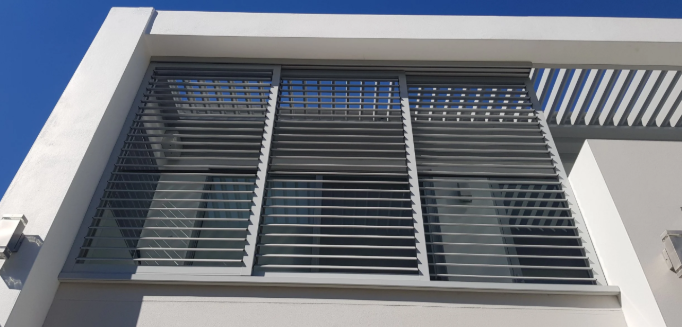
Louvres in Sydney installers position at the right pitch redirect sunlight toward the ceiling instead of straight into the room. What comes through is bright and diffused, not harsh and direct. It is a subtle shift, but anyone who has abandoned a perfectly good living room every afternoon because of glare will understand immediately why it matters.
Privacy Is More Complex in the City
Privacy in a dense Sydney suburb is not a single problem. It is several problems layered on top of each other. There is the street view, yes, but there is also the neighbour’s elevated deck, the café terrace across the laneway, and the upper deck of a passing bus on a narrow road. A fixed screen handles one of those and ignores the rest.
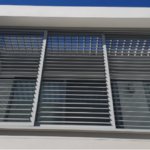
Louvre blades work differently depending on where the viewer is standing. Someone at street level sees a solid surface. Someone seated inside looks straight through to the garden. That is not a design quirk — it is the mechanism doing exactly what it is supposed to do. In genuinely dense urban conditions, that angular selectivity outperforms most alternatives without much contest.
Choosing the Right Material
Aluminium is the practical default, and for good reason. It handles salt air, holds its shape, and asks very little in return. But dismissing timber as purely a heritage option misses something worth knowing. Properly sealed hardwoods develop a patina over time that no factory finish can replicate. In the right setting, that quality reads as considered rather than aged.
Timber also absorbs sound differently than aluminium. In a street-facing bedroom in a busy inner suburb, louvres made from the right material do quiet work that never appears on a specification sheet but makes an immediate difference to daily life.
The Outdoor Room, Properly Done
Sydney backyards have changed. The outdoor area is no longer a patch of grass with a barbeque — it is an extension of the house, expected to function across every season. Operable pergola louvre systems made that expectation achievable rather than aspirational.
Opening the roof to let in winter sun and closing it before a summer storm arrives changes how the whole property is used. The space stops being weather-dependent. It becomes part of the house in a way a fixed pergola or shade sail never quite manages.
Conclusion
The growing interest in louvres in Sydney wide is not driven by aesthetics alone. It comes from homeowners running out of patience with solutions that half-work. The glare that clears a room every afternoon, the airflow that never quite arrives, the backyard that sits unused through half the year — these are the problems louvres are built to address. They do it quietly, consistently, and without asking much back. In a city that asks a great deal of its homes, that kind of reliability carries real weight.